Comparison Between Plastic and Bioplastic Products in Our Waterways
Plastic Pollution and the Rise of Bioplastics
Plastic pollution has become one of the most serious environmental challenges of our time. According to National Geographic, approximately 18 billion pounds of plastic enter the ocean every year from coastal regions alone.
With growing awareness of this crisis, biodegradable plastics are often promoted as a hopeful solution. But many people still ask important questions such as how long does plastic take to decompose and are biodegradable plastics truly better for the environment? Unfortunately, the reality of plastic decomposition is more complex than many realize.
This leads to a key question. Does bioplastic offer a solution that traditional plastic does not?How Is Bioplastic Different From Traditional Plastic?
Plastic waste is everywhere, from landfills to beaches to the open ocean. Many people have experienced plastic bags drifting through the water or wrapping around legs while swimming. But is biodegradable plastic truly different from conventional plastic when it comes to sustainability?
To answer that, it helps to compare traditional plastics with plant-based biopolymers.
Traditional Plastic and Its Environmental Impact
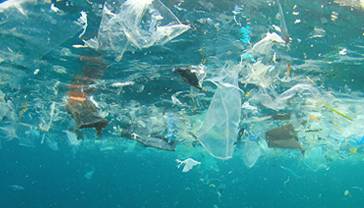
Traditional plastic products that end up in landfills or oceans can persist for hundreds of years. These materials cause extensive damage to marine ecosystems and freshwater systems.
National Geographic estimates that 5.25 trillion pieces of plastic debris currently float in the world’s oceans, with more added each day. Experts widely warn that by 2050, oceans may contain more plastic than fish by weight.
Each year, an estimated 300 million plastic bags enter the Atlantic Ocean alone. While many believe plastic bags take 200 to 1,000 years to decompose, scientists do not know if they ever fully disappear.
Traditional plastics are made from fossil-based materials, which microorganisms cannot digest. Instead of biodegrading, these plastics break apart into smaller fragments over time, creating microplastics that pose new risks to human health and wildlife.
Plant-Based Biopolymers and Biodegradable Plastics
Plant-based biopolymers function very differently from conventional plastics.
For example, Kaneka’s PHBH™ plant-based biopolymer resin is naturally broken down by microorganisms commonly found in soil and water. This process occurs through enzymatic digestion rather than fragmentation.
Products such as straws made from Kaneka PHBH™ remain stable when used with cold drinks, juice, or hot liquids. However, when placed in a compost environment, they biodegrade within a few months, rather than persisting for centuries like standard plastic straws.
Key Difference Between Biodegradable and Traditional Plastic
Traditional plastic accumulates in waterways and landfills. In contrast, Kaneka PHBH™ resin fully biodegrades in various environments and returns to natural biological cycles.
[See compostability and degradability disclaimer]Is All Bioplastic Biodegradable?
Before answering this question, it is important to define what “bioplastic” means.
The Society of the Plastics Industry defines bioplastics as plastics that meet one or more of the following criteria:
Contain biobased content
Are biodegradable
Are both biobased and biodegradable
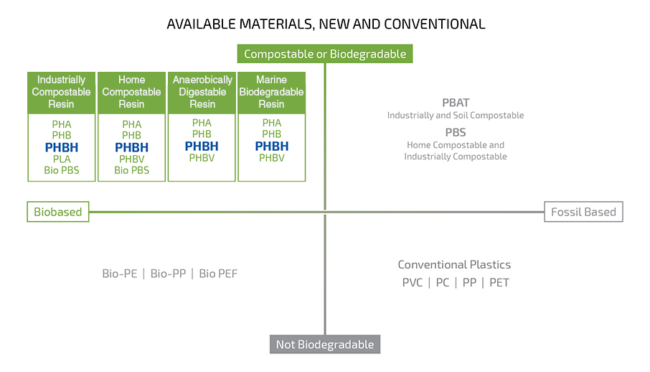
Under this definition, not all bioplastics are biodegradable. For example, Bio-PE, Bio-PP, and Bio-PEF are biobased plastics, but they are not biodegradable.
Bioplastics vs. Biodegradable Plastics Explained
The key distinction is simple. Not all bioplastics are biodegradable, and not all biodegradable plastics are biobased.
Some biodegradable materials, such as PBAT or PBS, are fossil-based and therefore are not considered bioplastics. This distinction is critical when evaluating environmental impact.
[See compostability and degradability disclaimer for details]Why Kaneka PHBH™ Resin Stands OutKaneka PHBH™ resin is both biobased and biodegradable, meeting the highest standards in both categories. It offers multiple end-of-life options, including:
Industrial composting
Home composting
Marine biodegradation
Anaerobic digestion, similar to breakdown in landfills
This versatility makes PHBH™ a strong alternative to conventional petroleum-based plastics.
Sustainable Polymer Solutions From Kaneka
Kaneka has spent over 30 years developing and refining PHBH™ biopolymer technology. While no single solution can solve global plastic pollution, biopolymers play a critical role alongside recycling, education, and responsible consumption.
Transitioning away from traditional plastic production and toward sustainable alternatives is essential for building a cleaner and more resilient future.
Contact our team today to learn more about Kaneka PHBH™ biopolymers and how they can support your sustainability goals.
For additional details, please review ourcompostability and degradability disclaimer.